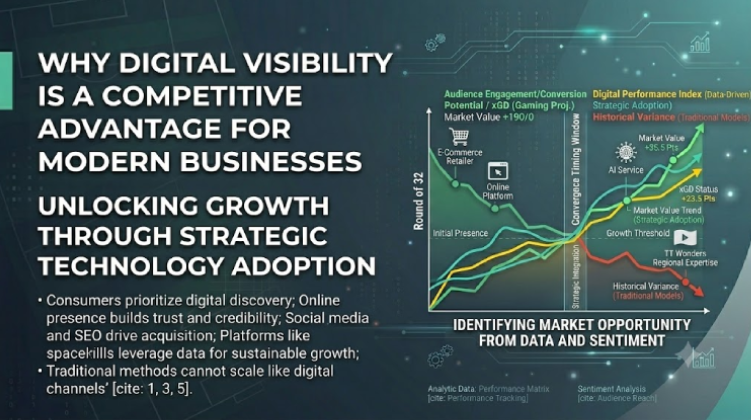
In today’s connected economy, digital visibility is no longer optional for businesses. Whether a company is a startup entering the market or an established brand expanding its reach, being visible online directly impacts customer acquisition, brand recognition, and long-term growth. Consumers increasingly rely on digital channels to discover products, compare services, and make purchasing decisions.
Social media platforms, search engines, and content-sharing websites have transformed how organizations communicate with their audiences. Businesses that maintain a strong online presence often gain a significant advantage over competitors that rely solely on traditional marketing methods. As digital habits continue to evolve, companies must adapt their strategies to remain relevant and accessible.
This trend extends beyond social networking and marketing platforms. Digital-first businesses across various industries, including innovative platforms such as spacehills, are leveraging technology to create engaging user experiences, streamline operations, and reach broader audiences. The success of these platforms demonstrates how digital visibility and user-focused innovation can contribute to sustainable growth.
Understanding the Importance of Online Presence
A strong online presence helps businesses establish credibility and connect with potential customers more effectively. Consumers often research companies before making decisions, making visibility a critical factor in building trust.
An effective online presence offers several benefits:
- Increased brand awareness
- Better customer engagement
- Improved lead generation
- Enhanced customer trust
- Greater market reach
Organizations that consistently invest in their digital footprint often experience stronger customer relationships and improved business outcomes.
The Connection Between Social Media and Business Growth
Social media has become one of the most influential tools for business development. Platforms such as Instagram, Facebook, LinkedIn, and X allow businesses to communicate directly with audiences while promoting products and services in a more personal way.
Building Brand Recognition
Consistent social media activity helps companies remain visible to their target audience. Regular posts, interactive content, and community engagement strengthen brand recall and encourage customer loyalty.
Creating Meaningful Engagement
Unlike traditional advertising, social media enables two-way communication. Businesses can respond to questions, gather feedback, and participate in conversations that improve customer satisfaction.
Supporting Marketing Campaigns
Social platforms amplify marketing efforts by expanding content reach. Businesses can use both organic strategies and paid promotions to attract qualified audiences.
Essential Digital Strategies for Modern Companies
Businesses seeking sustainable growth should focus on several core digital strategies. These methods work together to improve visibility, engagement, and conversion opportunities.
Search Engine Optimization (SEO)
SEO helps businesses appear in search results when potential customers look for relevant products or services. Effective optimization includes:
- High-quality content creation
- Keyword research
- Mobile-friendly website design
- Fast page loading speeds
- Technical website improvements
Content Marketing
Content marketing builds authority by providing valuable information to audiences. Educational articles, videos, guides, and industry insights help establish trust while attracting organic traffic.
Data-Driven Decision Making
Modern businesses have access to powerful analytics tools that provide actionable insights. Companies can use data to understand customer behavior, optimize campaigns, and improve overall performance.
Comparing Traditional and Digital Growth Methods
The shift toward digital business models has changed how organizations approach growth and customer acquisition.
| Growth Factor | Traditional Methods | Digital Methods |
| Audience Reach | Local or regional | Global |
| Marketing Costs | Often higher | Flexible and scalable |
| Performance Tracking | Limited | Real-time analytics |
| Customer Interaction | Indirect | Direct engagement |
| Scalability | Slower expansion | Rapid growth potential |
This comparison highlights why many startups and established businesses prioritize digital channels in their growth strategies.
Technology’s Role in Business Innovation
Technology continues to drive innovation across industries. Cloud computing, artificial intelligence, automation, and advanced analytics have enabled companies to operate more efficiently than ever before.
Automation Improves Efficiency
Businesses use automation tools to streamline repetitive tasks such as email marketing, customer support, and data processing. This allows teams to focus on higher-value activities.
Artificial Intelligence Enhances Personalization
AI-powered systems help businesses deliver personalized experiences based on user behavior and preferences. Personalized recommendations often lead to higher engagement and conversion rates.
Cloud Solutions Support Scalability
Cloud-based infrastructure enables businesses to scale operations quickly without investing heavily in physical resources. This flexibility is especially valuable for startups and rapidly growing companies.
Key Traits of Digitally Successful Businesses
Organizations that thrive in the digital era often share several characteristics:
- Customer-focused decision making
- Consistent online engagement
- Adaptability to new technologies
- Strong data analysis capabilities
- Commitment to innovation
These traits help businesses respond effectively to changing market conditions while maintaining competitive advantages.
Future Trends Shaping Online Business Growth
The digital landscape continues to evolve, creating new opportunities for businesses willing to embrace change. Emerging technologies and consumer expectations will influence future growth strategies.
Several trends are expected to gain momentum:
- AI-driven customer experiences
- Voice search optimization
- Interactive content formats
- Advanced cybersecurity solutions
- Greater integration of mobile technologies
Businesses that prepare for these developments will be better positioned to compete in increasingly digital markets.
Digital visibility, strategic technology adoption, and meaningful audience engagement have become essential elements of business success. Companies that invest in these areas can strengthen their market position while creating lasting value for customers in an increasingly connected world.