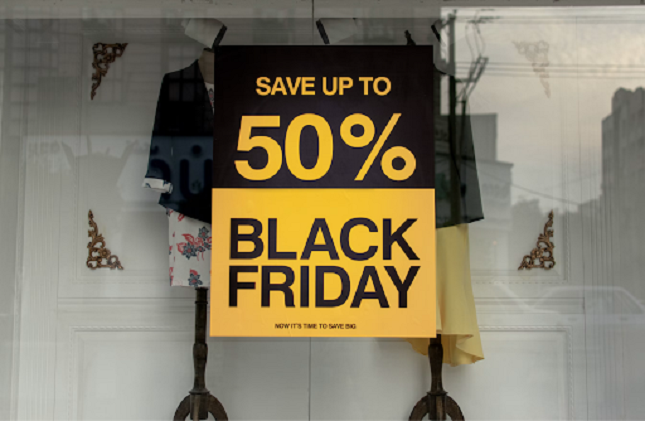
A crossed out price is the smallest piece of design on a Black Friday page, yet it often decides the sale. A shopper sees 129 euros struck through, then 89 euros in bold, and the brain registers a gain of 40 before it has asked what the item is really worth. This is not a trick of one shop. It is how human price perception works, and it shows up in every country that runs the sale.
Part of the effect comes from speed. Checkout is faster than ever, and payment methods shave off the last moments of reflection. In Poland, BLIK, a six digit code generated in a banking app, confirms a purchase in a few seconds. Entertainment services follow the same logic, and a platform like spinfin casino online shows how quick, familiar payment flows shape the way people judge small amounts of money on a screen.
How the Brain Reads a Reference Price
The struck through number is called a reference price. Its job is to give the new price a neighbour, because a number alone says little. Is 89 euros cheap for a pair of headphones? Nobody carries that answer in their head. Once 129 sits beside it, the question becomes easier, and the shopper stops comparing against other shops and starts comparing against the shop’s own number.
Researchers at the University of Chicago and elsewhere have measured this for decades. In field tests, adding a higher reference price lifted sales of the same item noticeably, even when the shelf price did not change. The reference works like a ruler that the seller hands over, marked in whatever units suit the seller. Whoever holds the ruler sets how big the saving looks, and most people never ask whether the ruler was fair.
Anchoring and the first number
Psychologists call the mechanism anchoring. The first figure seen pulls every later judgment toward it. A classic experiment asked people to guess the share of African countries in the United Nations after spinning a wheel numbered up to 100. Those who saw a high number guessed higher. The wheel meant nothing, and still it worked.
Retail applies the same pull in plain form. A jacket at 199 euros crossed out makes 140 feel modest. The same jacket with no crossed out number may feel expensive. A shopper in Zurich paying through Twint, the Swiss phone wallet tied to bank accounts, goes through exactly this moment, only with francs instead of euros.
| Display | What the shopper sees | Typical reaction |
| Price alone, 140 | One number, no context | Hesitation, tab switching |
| 199 crossed out, 140 | A gain of 59 | Quick decision |
| 199 crossed out, 140, plus 30 percent off | Gain shown twice | Feeling of urgency |
| 140 with a price history chart | Honest context | Slower but steadier choice |
Where the reference number comes from
Not every struck through figure is a price the item actually sold at. Since 2022, a shop in Berlin or Madrid that advertises a cut must also disclose the cheapest price charged during the month before. That rule changed many Black Friday pages in Germany, Austria and Spain. A reference price is now often lower than the old list price, and the saving looks smaller, but it is also easier to trust.
Reading Sale Prices Without the Ruler
A calm approach starts with one habit. Ignore the crossed out number and ask what you would pay today. If the answer is 100 euros and the tag says 89, the deal is real for you. If the answer is 60, the discount was never the point. Writing a ceiling down before opening the shop page takes ten seconds and works better than willpower. Put it on a sticky note beside the laptop, and the page loses some of its pull, because the number you chose came first and the seller’s came second.
Price trackers help as well. Tools such as Idealo in Germany or Ceneo in Poland keep months of history, so a jacket that has been 140 since September stops looking like a discovery. Two weeks before the sale is the best time to note prices, because a Black Friday drop can then be measured against a real record. The crossed out number is information about the seller, written by the seller, for a reader who is usually in a hurry. The history is information about the product.